Delivering clean water infrastructure, climate resilience programs, and sustainable environmental solutions to communities across northern Nigeria and Sub-Saharan Africa.
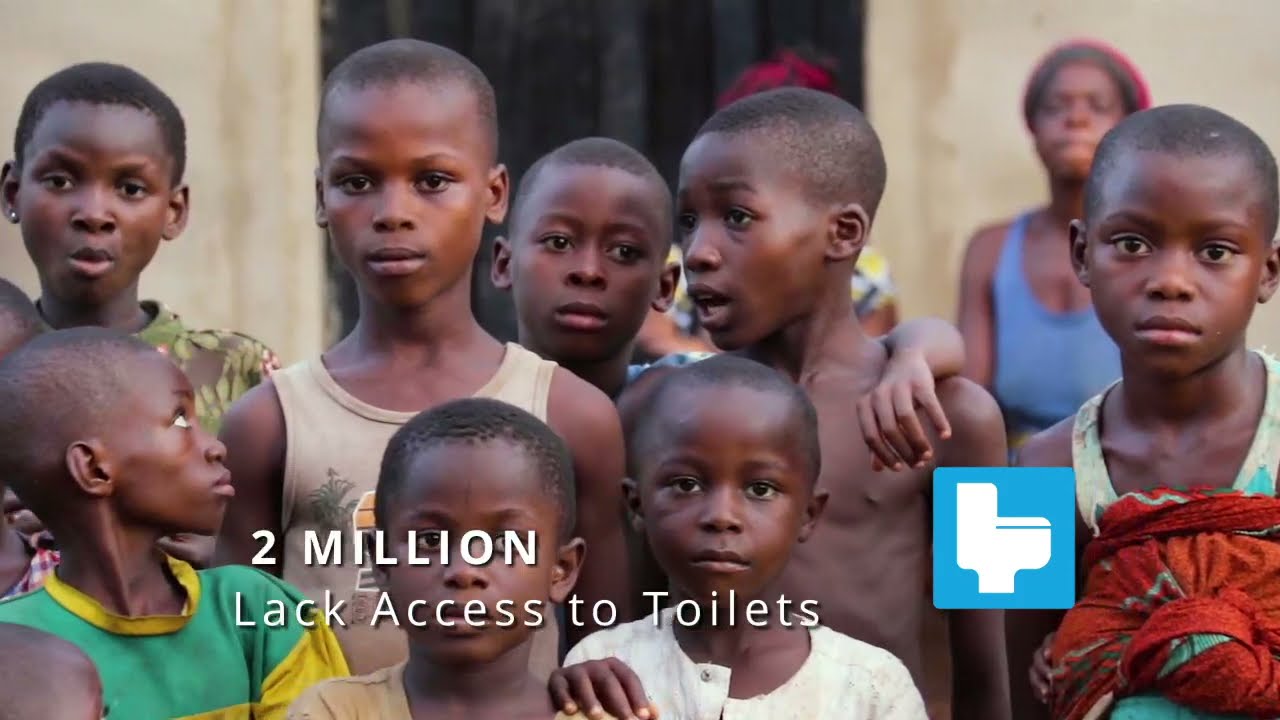
Over 75% of rural Nigerians travel more than 30 minutes to reach basic water sources. Contaminated water is the leading cause of preventable child deaths in the communities we serve. SATAF’s Water & Climate Change Division addresses this directly — not with temporary interventions, but with permanent, community-managed infrastructure.
We combine proven water engineering with solar technology, community training, and climate adaptation planning to ensure that every solution we deliver is still working for the next generation.
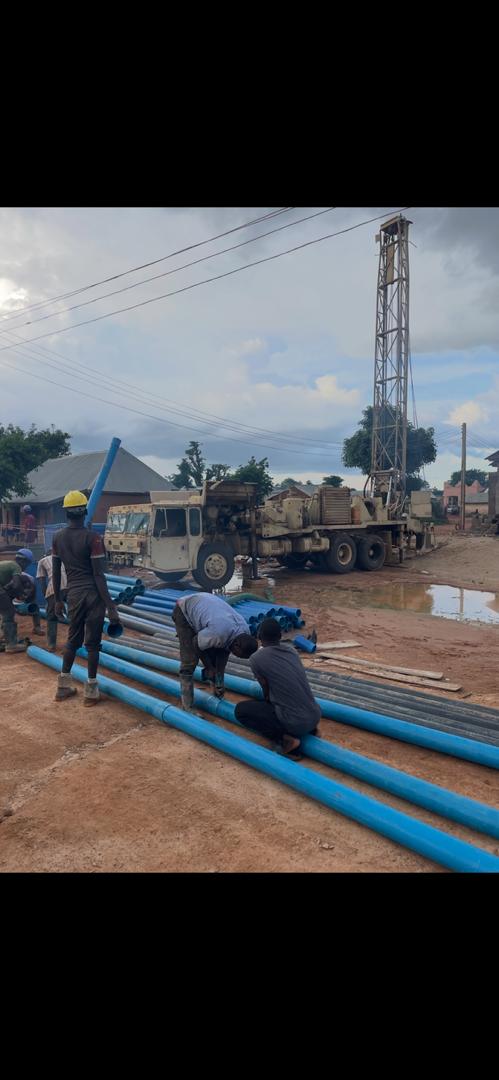
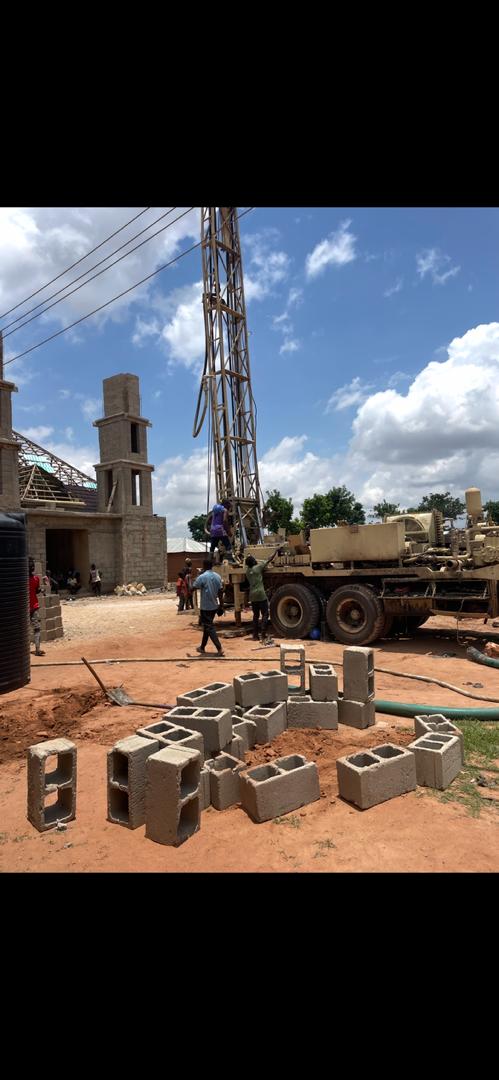
We drill and equip boreholes with solar-powered pumps, construct hand-dug wells, and install piped water distribution systems for villages and schools. Each installation includes a community water management committee trained to operate and maintain the system independently.
Where borehole water is not available, we install household biosand filters, ceramic filtration units, and community-level chlorination systems. We also deploy water quality testing kits and train community members to monitor water safety on an ongoing basis.
In areas with seasonal rainfall, we design and install rooftop rainwater harvesting systems at schools, health centres, and community buildings. Storage tanks are sized for community needs and include first-flush diverters for water quality.
Water access alone is not enough. Our WASH (Water, Sanitation, and Hygiene) programs build improved latrines, promote handwashing behaviour change, and train community health promoters to sustain hygiene improvements over time.
Rising temperatures and shifting rainfall patterns threaten water security. We work with communities to map climate risks, develop adaptation plans, and implement drought-resistant water solutions that remain functional during dry seasons and climate stress events.
We support tree planting, watershed protection, and sustainable land management programs that protect water sources and build climate resilience. We engage schools and youth groups in environmental stewardship activities.
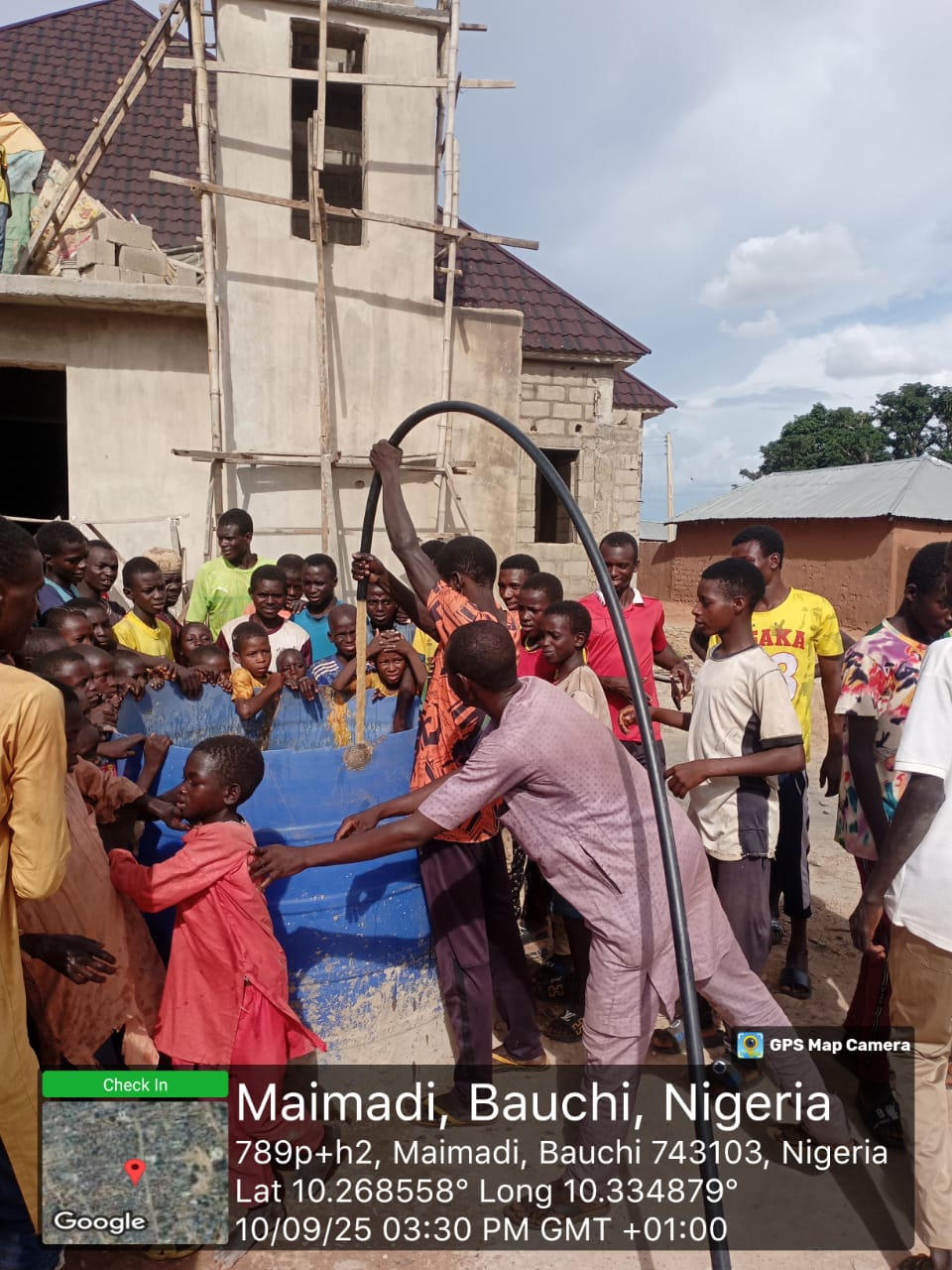
The Jangwa community had no reliable clean water source for decades. Women and children walked up to 5km daily to collect water from contaminated seasonal streams, leading to chronic illness and high school dropout rates among girls.
Contaminated river water was the primary source for Bantu Village’s 800 families. Child diarrhoeal disease was endemic, and the local primary school had no functional toilet facilities.
Jangwa Community — Water for Life
Bantu Village — Clean Water, Better Lives
Community Water Management Training
Thanks to their efforts, my family no longer has to walk miles to fetch water. We now have time to focus on school and building a better future.
SATAF brought clean water to our village for the first time in decades. The impact is beyond words — children are healthier and the community is thriving.
They didn’t just install a water system; they taught us how to maintain it. Their commitment to sustainable change is remarkable.